How can I naturally lower high blood pressure at home?

High blood pressure, also known as hypertension, is a common health problem in the United States. Many adults struggle with elevated blood pressure without realizing it. If untreated, it can lead to heart disease, stroke, and kidney problems. Lifestyle changes and home remedies can play a big role in controlling blood pressure naturally. Simple habits like eating healthy, exercising, and managing stress can make a huge difference. People often prefer natural methods because they are safe and sustainable. Understanding your body and monitoring your blood pressure regularly is important. Small daily changes can prevent serious health issues in the long run. High blood pressure doesn’t always show clear symptoms, so prevention is key. In this guide, we will explore effective ways to lower blood pressure naturally at home.
How can I naturally lower high blood pressure at home?
High blood pressure can be managed with simple lifestyle changes. These methods help your heart work better and reduce stress on your arteries. Natural ways often complement medications if prescribed by a doctor. Making small but consistent changes can improve your health significantly. Here are some practical steps you can take at home:
Eat a Balanced Diet
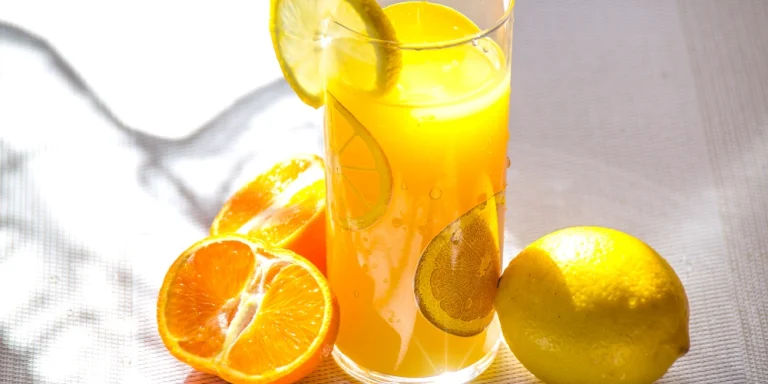
Eating a balanced diet is one of the most effective ways to lower blood pressure. Focus on fruits, vegetables, whole grains, and lean proteins. Reduce your intake of salt, sugar, and processed foods. Foods rich in potassium, magnesium, and fiber help regulate blood pressure naturally. Leafy greens, bananas, beans, and nuts are excellent choices. Avoid high-sodium foods like canned soups, fast food, and processed snacks. Cooking at home allows you to control the ingredients. Limit sugary drinks and replace them with water, herbal tea, or fresh juice. Regularly eating a healthy diet strengthens your heart and improves overall well-being. Consistency is key—small changes every day make a big difference.
Exercise Regularly
Regular physical activity helps lower blood pressure naturally. Simple exercises like walking, jogging, or cycling are effective. Aim for at least 30 minutes a day, five times a week. Strength training and stretching also support cardiovascular health. Exercise helps your heart pump blood more efficiently. It reduces stress hormones that can raise blood pressure. Activities like yoga and swimming are gentle yet beneficial. Consistency is more important than intensity—start slow and gradually increase. Exercising with family or friends can make it more enjoyable. Over time, regular movement lowers both systolic and diastolic blood pressure.
Maintain a Healthy Weight
Being overweight increases the risk of high blood pressure. Even losing a small amount of weight can improve blood pressure levels. Focus on a balanced diet and regular physical activity. Track your weight regularly to stay motivated. Avoid crash diets—they can harm your health. Eat smaller portions and avoid late-night heavy meals. Include more fiber and protein in your meals to feel full longer. Reduce sugary drinks and high-calorie snacks. Staying active daily helps burn calories and maintain a healthy weight. Maintaining an ideal weight improves heart health and reduces the strain on arteries.
Reduce Stress
Chronic stress can elevate blood pressure over time. Practicing stress management techniques can help lower it naturally. Deep breathing exercises calm the nervous system. Meditation and mindfulness reduce anxiety and tension. Engage in hobbies or activities you enjoy. Spending time in nature or with loved ones improves mental health. Avoid overworking and take short breaks during the day. Limiting exposure to negative news or social media can reduce stress. Journaling your thoughts helps release emotional pressure. Yoga and light exercise also contribute to relaxation. Managing stress consistently supports long-term blood pressure control.
Limit Alcohol and Quit Smoking
Alcohol and smoking negatively affect blood pressure. Reducing alcohol intake can lower systolic pressure. Limit to one drink per day for women and two for men, if any. Smoking causes arteries to stiffen and increases blood pressure temporarily. Quitting smoking improves heart and lung health. Seek support from groups or professionals if quitting is difficult. Avoid secondhand smoke, which can also harm your heart. Replace smoking breaks with walks or healthy snacks. Limiting alcohol and quitting smoking together maximizes cardiovascular benefits. These steps are essential for both prevention and treatment.
Get Enough Sleep
Poor sleep can contribute to high blood pressure. Aim for 7–9 hours of quality sleep each night. Maintain a consistent sleep schedule, even on weekends. Avoid heavy meals, caffeine, or electronic devices before bedtime. Create a calm, dark, and quiet sleeping environment. Practicing relaxation techniques can help you fall asleep faster. Sleep apnea, a condition that interrupts breathing, can increase blood pressure—seek medical advice if necessary. Naps can be helpful but avoid long or irregular naps. Adequate sleep helps regulate stress hormones and supports heart health. Regular, quality sleep strengthens your body’s natural blood pressure control.
Monitor Blood Pressure at Home
Regular monitoring helps you track progress and detect changes early. Home blood pressure monitors are easy to use and widely available. Take readings at the same time every day for consistency. Record your results to identify patterns and triggers. Share readings with your doctor to guide treatment decisions. Avoid measuring immediately after exercise, caffeine, or stressful events. Use a proper cuff size and follow the instructions carefully. Home monitoring increases awareness and encourages healthy habits. Regular tracking can prevent sudden spikes or complications. Accurate records help you and your doctor make informed decisions.
Frequently Asked Questions
Managing high blood pressure at home can be simple with the right habits. These FAQs answer common concerns.
Q1: Can I lower high blood pressure without medication?
Yes, lifestyle changes can significantly reduce blood pressure. Eating a healthy diet, exercising, managing stress, and maintaining a healthy weight often help. However, some people may still need medication based on their doctor’s advice. Natural methods work best when combined with regular monitoring.
Q2: How long does it take to see results from home remedies?
Results vary depending on individual health and consistency. Some people notice improvement within a few weeks, while others may take a few months. Regular exercise, diet changes, stress management, and sleep improvements contribute gradually. Patience and persistence are key for long-term benefits.
Conclusion
Lowering high blood pressure naturally at home is achievable with consistent effort. Focus on eating healthy, exercising regularly, managing stress, and maintaining a healthy weight. Limit alcohol, quit smoking, and ensure proper sleep. Monitor your blood pressure to track progress and make adjustments. Small daily changes add up over time and protect your heart. Consult your doctor for guidance, especially if you have other health conditions. By following these steps, you can maintain healthy blood pressure and improve overall well-being. Prevention and early action are the keys to long-term success.