
What are the best ways to stay hydrated throughout the day?

Staying hydrated is very important for your health. Water makes up a large part of your body, helping your organs, muscles, and brain work properly. In the United States, many people are busy with work, school, and other daily activities, which sometimes leads to forgetting to drink enough water. Drinking water regularly helps maintain energy, improves focus, and supports digestion. It also helps prevent headaches and keeps your skin healthy. Proper hydration supports weight management and overall well-being. Even mild dehydration can make you feel tired and irritable. Drinking the right amount of fluids is especially important in hot weather or during exercise. Simple habits can make staying hydrated easy and natural. Learning how to drink water properly is an important part of a healthy lifestyle.
What are the best ways to stay hydrated throughout the day?
Drinking enough water daily is key to staying healthy. Many people underestimate how much water their body needs. In the United States, adults are recommended to drink around 8–10 cups of water a day. Hydration doesn’t only come from drinking plain water—it can also come from foods and other fluids. Small habits can make a big difference in keeping your body hydrated. Let’s explore some practical ways to stay hydrated every day.
Keep a Water Bottle Nearby
Carrying a water bottle makes it easy to drink throughout the day. If water is always within reach, you are more likely to sip regularly. Many Americans use reusable bottles to save money and reduce plastic waste. Some bottles have measurements, helping you track your daily intake. You can set reminders on your phone to drink water every hour. Having a bottle on your desk, in your car, or in your bag encourages frequent drinking. Some bottles keep water cold, making it more refreshing. Drinking small amounts frequently is better than drinking a large glass once in a while. Keeping a bottle nearby is one of the simplest and most effective ways to stay hydrated. It also creates a habit that becomes natural over time.
Eat Water-Rich Foods
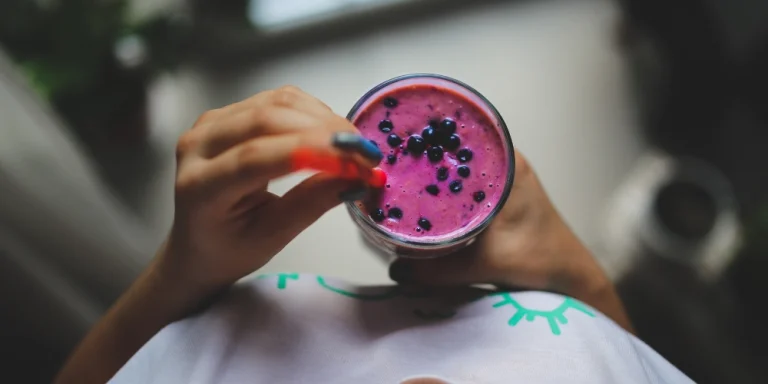
Many fruits and vegetables contain high amounts of water. Foods like watermelon, cucumbers, oranges, and strawberries help increase your daily hydration. In addition to providing water, these foods give your body vitamins and minerals. Including these foods in meals or snacks makes hydration easier. Salad, smoothies, and soups are excellent ways to add water-rich foods to your diet. Even frozen fruits can help if blended into drinks. Eating these foods can reduce your need for sugary beverages. They also contribute to better digestion and overall health. Water-rich foods are a tasty and natural way to stay hydrated every day.
Set Drinking Reminders
Sometimes people forget to drink because they are busy. Using phone alarms or apps can remind you to drink water regularly. Some smartwatches can also send gentle reminders to sip throughout the day. Setting reminders helps you build a consistent habit. It ensures you meet your daily water intake even on busy days. You can track progress using apps to see how much water you’ve consumed. This method works well for students, office workers, and anyone with a busy lifestyle. Regular reminders reduce the risk of dehydration. Over time, you will naturally start drinking more without reminders.
Drink Before Feeling Thirsty
Thirst is a sign that your body is already slightly dehydrated. Drinking water before you feel thirsty keeps your body balanced. Start your day with a glass of water in the morning. Drink water before meals to aid digestion. Hydrating before exercise prevents fatigue. It is also helpful to drink water before going outside in hot weather. Small sips throughout the day help your body absorb water better than large amounts at once. By staying ahead of thirst, you maintain energy and focus. This simple habit is key for long-term hydration and overall health.
Limit Sugary and Caffeinated Drinks
Drinks like soda, energy drinks, and coffee can dehydrate your body if consumed in excess. While a small amount of coffee is fine, water should be your main drink. Sugary beverages add unnecessary calories and do not hydrate as effectively. Choosing water, herbal teas, or diluted fruit juices is a healthier option. Drinking too many caffeinated drinks can increase bathroom visits and cause mild dehydration. Balance is important—enjoy these drinks occasionally but rely on water most of the time. Reducing sugary drinks also improves weight management and skin health. Opting for hydrating alternatives supports overall well-being.
Add Flavor to Water
Some people avoid water because they find it boring. Adding natural flavors like lemon, cucumber, or mint makes water more enjoyable. Fruits and herbs can enhance taste without adding sugar. Infused water is popular in the United States and can be prepared at home easily. Preparing a few bottles in advance makes it convenient to grab and drink. Flavored water can encourage kids to drink more, too. You can also mix sparkling water with natural flavors for variety. This method helps you drink more without relying on unhealthy beverages. Making water enjoyable is an easy way to stay hydrated consistently.
Monitor Your Urine Color
A simple way to know if you’re hydrated is by checking your urine. Pale yellow urine usually means good hydration, while dark yellow indicates you need more water. This method helps you adjust your intake throughout the day. Keep track, especially during hot weather or after exercise. It is a natural, easy, and reliable indicator. If your urine is consistently dark, increase your water intake gradually. Combining this with other habits ensures proper hydration. Monitoring urine color helps prevent dehydration before it affects energy or focus.
Frequently Asked Questions
Hydration is simple but important. Here are some common questions about staying hydrated.
Q1: How much water should an adult drink every day?
An average adult in the United States should aim for about 8–10 cups of water daily. This can vary based on activity level, weather, and health conditions. Drinking throughout the day in small amounts is better than consuming large amounts at once. Remember, water-rich foods also contribute to daily hydration.
Q2: Can I drink other beverages instead of water to stay hydrated?
Yes, drinks like herbal teas, milk, and diluted fruit juices can contribute to hydration. However, sugary and caffeinated beverages are less effective and can even cause dehydration if consumed in excess. Water should remain your main source of hydration.
Conclusion
Staying hydrated is essential for energy, focus, and overall health. Small habits like keeping a water bottle, eating water-rich foods, and setting reminders make a big difference. Drinking before feeling thirsty and monitoring urine color helps you stay on track. Limiting sugary drinks and adding natural flavors to water improves intake and enjoyment. Hydration affects your skin, digestion, and body performance. Even busy schedules should include regular sips of water. By following these steps, you can maintain proper hydration every day. Consistent water intake is a simple way to support a healthier lifestyle.